
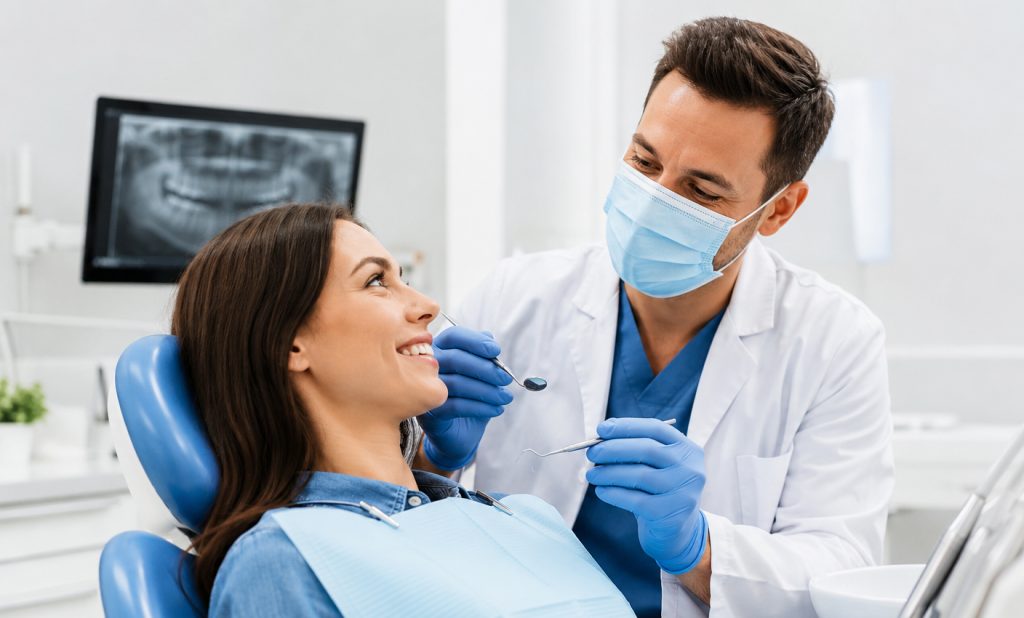
You benefit from regular dental checkups in Elk Grove because they catch small problems before they become painful, costly, or time-consuming. A short exam and cleaning can prevent cavities, gum disease, and keep you healthier overall.
A trusted local dentist uses modern technology and a gentle approach to make visits efficient and comfortable, whether you need preventive care, help for dental anxiety, or guidance for a child’s first appointment. You’ll learn practical tips on insurance, cost-saving strategies, and how routine care supports whole-body wellness, making it easier to protect your smile long term.
Maintaining Oral Health in Elk Grove
Regular visits, targeted cleanings, and practical at-home habits keep teeth and gums healthy and reduce costly treatments later. Local factors like water fluoride levels, dietary patterns, and access to dental care shape specific recommendations for Elk Grove residents.
Detecting Early Signs of Dental Issues
A dentist in Elk Grove looks for subtle changes: white spots that may signal enamel demineralization, dark lines at the gumline indicating early decay, and slight gum redness or bleeding that can precede periodontal disease. Digital X-rays and intraoral cameras reveal hidden decay between teeth and under restorations before pain appears.
Patients should report persistent sensitivity to hot or cold, new bad breath that doesn’t improve with brushing, or a loose feeling in a tooth. These symptoms often require prompt assessment to avoid more invasive care like root canals or extractions.
Routine visual checks during exams also screen for oral cancer signs, such as white or red patches and unusual lumps. Early detection in the dental chair significantly improves treatment options and outcomes.
Routine Cleanings and Their Benefits
Professional cleanings remove plaque and calculus that brushing and flossing miss, particularly below the gumline and in tight interproximal areas. Dental hygienists use ultrasonic scalers and hand instruments to clear hardened deposits that harbor bacteria and trigger inflammation.
Cleanings reduce gum bleeding, lower pocket depths, and help maintain crown and implant health by preventing buildup at margins. Hygienists also polish tooth surfaces to deter new plaque formation and apply fluoride varnish when appropriate to strengthen enamel.
Appointments every six months suit most adults, but those with diabetes, a history of periodontal disease, or heavy tobacco use may need cleanings every three to four months. The hygienist will recommend an interval based on periodontal measurements and individual risk factors.
Personalized At-Home Care Guidance
A dental team in Elk Grove tailors home-care advice to each patient’s oral status, dexterity, and lifestyle. For example, someone with tight contacts may benefit from thin floss or interdental brushes, while a patient with sensitive dentin receives desensitizing toothpaste and a gentle brushing technique.
They provide specific product recommendations—soft-bristled toothbrushes, fluoride toothpaste with 1,350–1,500 ppm fluoride, therapeutic mouthrinses for gingivitis, and ADA-approved interdental cleaners. Demonstrations in the clinic ensure patients understand angles, pressure, and timing for effective brushing.
Behavioral tips address local dietary habits: limiting frequent grazing on acidic snacks, rinsing with water after sugary drinks common at community events, and scheduling snacks around brushing whenever possible. The team also encourages questions and schedules follow-ups to adjust the plan as oral health changes.
Preventive Care and Cavity Protection
Regular checkups pair professional cleaning, targeted fluoride, and risk-based advice to stop cavities before they start. These visits identify weak spots, refresh home care habits, and offer treatments that strengthen enamel and control bacteria.
Reducing the Risk of Tooth Decay
Dentists assess each patient’s decay risk by examining bite surfaces, X-rays, and dietary habits. They use bitewing X-rays to spot interproximal decay early and visual exams to find cracks or worn enamel that trap plaque.
Professional cleanings remove hardened tartar that brushing misses, lowering bacterial load. Fluoride varnish or prescription fluoride gel strengthens enamel; dentists recommend daily 5000 ppm fluoride toothpaste only for patients who need it. For children and adults with deep grooves, dental sealants create a physical barrier on molars to prevent food and plaque from collecting.
Behavior changes matter: limiting sticky sweets, substituting water for sugary drinks, and chewing sugar-free gum after meals reduce acid exposure. Dentists tailor recall intervals—three, four, or six months—based on decay risk to catch problems sooner.
Gum Disease Prevention Strategies
Periodontal disease begins with plaque-induced inflammation and progresses without control of bacterial biofilm. Hygienists teach effective brushing technique (45-degree angle, two minutes) and recommend interdental cleaning—floss, water flosser, or interdental brushes—matched to the space between teeth.
Professional scaling and root planing removes subgingival calculus and smooths roots to discourage bacterial reattachment. Dentists monitor pocket depth; pockets over 4 mm warrant more frequent cleanings or periodontal referral. Antimicrobial mouth rinses or localized antibiotic gels may be used for targeted control when pockets persist.
Lifestyle factors influence outcomes: quitting smoking, controlling diabetes, and reducing frequent snacking improve periodontal healing. Personalized maintenance schedules and compliance with home care are the most reliable ways to prevent progression.
Keeping Bad Breath at Bay
Persistent halitosis often indicates bacterial buildup on the tongue, between teeth, or in periodontal pockets. Tongue cleaning with a scraper or soft brush removes volatile sulfur compound–producing bacteria more effectively than brushing alone.
Dental visits identify and treat sources: active decay, impacted food, dry mouth, or chronic gum disease. Treatment can include cleaning, restorations, salivary stimulants, or managing side effects of medications that reduce saliva flow.
Daily routines should include brushing twice, interdental cleaning once daily, tongue cleaning, and staying hydrated. When halitosis persists despite good hygiene, dentists evaluate for systemic causes and suggest targeted therapies or medical referral.
Supporting Whole Body Wellness
Regular dental visits protect more than teeth and gums; they support cardiovascular, metabolic, and respiratory health and help detect signs of systemic disease early. Patients gain practical, preventive care and actionable advice that can reduce risks tied to chronic conditions.
How Oral Health Affects Overall Health
Gum disease (periodontitis) creates chronic inflammation and allows bacteria to enter the bloodstream, which studies link to higher risks of heart disease and stroke. Managing plaque and treating gum infections can lower systemic inflammatory markers and improve cardiovascular outcomes when combined with medical care.
Diabetes and oral health interact bidirectionally: uncontrolled blood sugar increases infection risk and delays healing, while severe gum disease can raise HbA1c levels. Dentists coordinate with physicians to recommend more frequent cleanings, tailored home care, and timely treatment that help stabilize glycemic control.
Pregnancy, respiratory disease, and certain cancers also show associations with poor oral health. Addressing cavities, periodontal pockets, and oral infections reduces aspiration risk in vulnerable patients and supports safer pregnancy outcomes when managed early.
Spotting Other Health Conditions Early
Dentists often see physical signs of systemic disease during routine exams. Conditions such as osteoporosis appear as jawbone density changes on X-rays, while vitamin deficiencies and autoimmune disorders produce characteristic oral lesions or persistent mouth soreness.
Oral examinations can reveal signs of diabetes (slow-healing sores, dry mouth), liver disease (jaundiced mucosa), and certain blood disorders (unexplained bleeding or petechiae). When dentists document unusual findings, they provide referrals, written reports, and urgent communications to primary care providers to speed diagnosis.
Dental professionals use digital imaging, periodontal charting, and oral cancer screenings to monitor changes over time. Early detection through these tools allows patients to seek medical evaluation sooner, often when conditions are more treatable and complications less likely.
Modern Dental Technology for Comfort
Modern clinics in Elk Grove use targeted tools to reduce time in the chair and improve diagnostic accuracy. Patients notice quicker exams, less radiation, and more predictable outcomes.
Digital X-Rays and Minimally Invasive Exams
Digital X-rays cut radiation exposure by up to 80% compared with film and produce instant images on-screen for faster diagnosis. This lets the dentist identify cavities between teeth, early bone loss, and root issues without repeat exposures.
Intraoral cameras and high-resolution sensors create clear, magnified views of individual teeth. Patients can see the images, which helps dentists explain treatment choices and prioritize conservative care.
Computer-aided diagnosis software highlights areas of concern and aids treatment planning, reducing guesswork. Together, these technologies support minimally invasive treatments like small resin fillings and preventive sealants instead of larger restorations.
Comfort-First Approaches in Local Practices
Elk Grove practices focus on patient comfort through ergonomic chairs, noise-reducing equipment, and adjustable operator lights. These small changes reduce stress for people with dental anxiety.
Topical anesthetics, buffered local anesthetic, and computerized delivery systems make injections less painful and more predictable. Clinicians often offer nitrous oxide or oral sedatives for longer procedures and anxious patients.
Many offices schedule longer first visits to build rapport and explain procedures step-by-step. Clear cost estimates, printed care instructions, and follow-up calls help patients feel supported before and after treatment.
Building Long-Term Relationships with Your Dentist
A steady patient–dentist relationship improves personalized care and prevents small issues from becoming emergencies. Consistent visits let the dental team track changes, tailor treatments, and keep comfort and costs under control.
Customized Care Plans
The dental team creates individualized plans based on medical history, oral exam findings, and lifestyle factors like diet, tobacco use, and medications. These plans specify preventive steps (cleaning frequency, fluoride or sealant use), restorative timelines (when to replace fillings or monitor crowns), and any needed specialist referrals, such as to an endodontist or periodontist.
Records of past x-rays, gum measurements, and treatment responses guide adjustments over time. For example, someone with early gum recession might receive quarterly cleanings, targeted home-care instructions, and a nightguard if grinding is detected. The plan also lists expected costs and insurance considerations so patients can make informed decisions without surprises.
Education and Open Communication
The dental team explains findings in plain language, using photos or x-rays to show exactly what they see. They outline risks and benefits of options—such as choosing a composite filling versus a crown—so patients understand how choices affect longevity, appearance, and price.
Staff encourage questions and schedule extra time when patients need it, whether for explaining sedation options or demonstrating brushing and flossing techniques. They also check in between appointments by phone or patient portal to follow up on healing, answer medication questions, or remind patients about upcoming preventive visits.
Addressing Dental Anxiety with Compassion
Many patients feel nervous about dental visits, and the Elk Grove CA practice recognizes that anxiety is common and valid. The team listens first, creating a calm environment before any exam begins.
They use clear, simple explanations to demystify procedures and reduce fear. Showing instruments and outlining each step helps patients know what to expect and feel more in control.
The office offers practical comfort options such as noise-cancelling headphones, blankets, and short breaks during treatment. For higher anxiety, they discuss sedation choices—nitrous oxide, oral sedation, or conscious IV sedation—with clear risks and benefits.
Staff practice gentle communication techniques, including slow pacing and frequent check-ins. A signal system (hand raise or squeeze ball) lets patients pause or slow treatment instantly.
A brief checklist helps anxious patients prepare: bring a friend, list questions, describe past dental experiences, and request pain-control options. It’s brief, focused, and patient-centered.
They encourage gradual exposure for severe phobia: start with a friendly consult, then a cleaning, then more involved care. This stepwise approach builds trust and shows progress over time.
If medical or emotional issues complicate anxiety, the team coordinates with physicians or therapists to ensure safety and continuity. Patients are invited to ask questions and schedule a comfort-focused consultation to discuss options and next steps.
Cost Savings and Insurance Tips
Regular checkups reduce the chance of costly procedures and help patients maximize insurance value by using preventive benefits. Small routine expenses now often prevent large out-of-pocket bills later.
Preventing Expensive Treatments
Routine exams and cleanings catch cavities, gum disease, and minor issues before they require crowns, root canals, or extractions. For example, detecting a small cavity at a checkup typically leads to a single filling costing a few hundred dollars, while letting it progress could require a root canal plus a crown that may total thousands.
Professional cleanings remove plaque and tartar that cause periodontal disease, which can lead to bone loss and tooth replacement costs. Early periodontal treatment often involves scaling and root planing — less invasive and far cheaper than later surgical options or implants. Patients who follow recall schedules and quick follow-up care tend to save the most.
Making the Most of Dental Benefits
Know plan details: annual maximums, deductible amounts, preventive coverage, and frequency limits. Many plans cover two cleanings and one exam fully per year; scheduling both avoids wasting benefits that reset each plan year. If a plan year ends soon, use eligible preventive services rather than letting them expire.
Ask the office about in-network providers, preauthorization for major procedures, and estimated patient responsibility before treatment. For larger work, request a predetermination from the insurer and compare quotes for different materials (e.g., composite vs. porcelain). Consider flexible spending accounts (FSA) or health savings accounts (HSA) for pre-tax savings on co-pays and uncovered services.
Pediatric Dental Visits for Lifelong Health
Early dental care builds habits, prevents decay, and monitors growth. Regular visits teach brushing technique, allow timely sealants or fluoride, and catch developmental issues before they become complex.
Establishing Good Habits from Childhood
Pediatric visits focus on prevention and instruction. A dentist or hygienist demonstrates brushing and flossing with a child-sized toothbrush, shows proper two-minute timing, and recommends age-appropriate fluoride toothpaste (a smear for under 3, pea-size for 3–6). They assess diet risks, advising to limit juice and sticky snacks and to encourage water and balanced meals.
Appointments introduce routine: exams every six months, periodic cleanings, and fluoride varnish as needed. Dentists check for early cavities, monitor bite and jaw development, and advise on pacifier or thumb-sucking habits. They also discuss when to expect orthodontic referrals—often around age 7 for growth-phase evaluation—so parents can plan ahead.
Family-Friendly Dental Offices in Elk Grove
Many Elk Grove practices create a calming environment for kids. Waiting rooms often include toys and books; operatories use child-sized chairs, distraction screens, and gentle language to reduce anxiety. Staff typically receive pediatric behavior training to handle fears and cooperation challenges.
Look for offices that offer same-day preventive appointments, in-house digital X-rays with low radiation, and clear written care plans after each visit. Insurance and flexible payment options help families keep up with twice-yearly visits. Practices that communicate through text reminders and online portals make scheduling and follow-up easier for busy parents.
Take the Next Step Toward a Healthy Smile
Patients in Elk Grove can make a simple appointment to protect long-term oral health. A routine checkup usually includes an exam, professional cleaning, and X-rays when needed to catch problems early.
They should expect a friendly, low-stress visit. Hygienists and dentists will explain findings in plain language and offer tailored care plans that fit personal needs and budgets.
Consider these quick actions to prepare:
- Call the local office or book online for convenience.
- Bring a list of medications and any dental concerns.
- Ask about comfort options such as numbing or sedation if anxious.
Financial concerns often stop people from scheduling. Many practices offer payment plans, accept insurance, and provide clear cost estimates so patients can make informed choices.
Regular visits help avoid costly, painful treatments later and support overall health. Encourage friends or family who avoid the dentist to join them — many clinics welcome new patients and provide introductory offers.
They can call, message, or visit a clinic’s website to schedule a checkup. Asking questions during the call will clarify what to expect and make the first visit easier.
Frequently Asked Questions
Regular dental visits identify small issues early, remove plaque buildup, and keep gums healthy with professional cleanings. They also provide personalized advice on brushing, flossing, and treatment options when needed.
Why do routine dental checkups matter even if my teeth feel fine?
Routine exams catch problems that are painless at first, like tiny cavities, early gum disease, or developing bite problems. Detecting these issues early usually means simpler, less costly care and better long-term tooth preservation.
A dentist also reviews medications, diet, and oral hygiene to spot risk factors specific to the patient. For example, dry mouth from certain prescriptions increases cavity risk and can be managed once identified.
How often should I schedule dental exams and cleanings for good long-term health?
Most adults benefit from exams and cleanings every six months, which balances removal of tartar buildup and monitoring for changes. Patients with active gum disease, heavy plaque, or certain medical conditions may need visits every three to four months.
Children, pregnant patients, and those with weakened immune systems may follow tailored schedules set by the dentist. The frequency should match individual risk, not a fixed calendar rule.
What happens during a typical dental checkup and cleaning, and will it hurt?
A typical visit includes a medical history review, oral cancer screening, examination of teeth and gums, and professional cleaning to remove plaque and tartar. Cleanings feel like scraping and polishing; discomfort is usually minimal and brief.
If X-rays are needed, the dentist explains and performs them safely. If treatment is required, the dentist discusses options and pain-control methods before proceeding.
Can regular dental visits help prevent cavities and gum disease before they become serious?
Yes. Professional cleanings remove hardened plaque that brushing and flossing miss, reducing bacteria that cause cavities and gum inflammation. Early cavity detection allows minimally invasive treatments like fillings instead of root canals.
Dentists also teach targeted home-care tips and recommend fluoride or sealants when appropriate to strengthen enamel and lower future risk.
How do dental checkups help catch problems like oral cancer, infections, or bite issues early?
During exams, the dentist visually and manually inspects soft tissues, lymph nodes, and jaw alignment for signs of cancer, infection, or temporomandibular joint problems. Regular screenings increase the chance of spotting abnormal changes when they are most treatable.
If suspicious areas appear, the dentist refers the patient for imaging, biopsy, or specialist care promptly. Timely action improves outcomes for oral cancer and infections.
What can I do if I’m anxious about dental visits or haven’t been in years?
Patients should tell the dental team about their anxiety; staff can offer calming techniques, longer appointment times, or distraction methods like music. For severe fear, dentists provide mild sedatives or nitrous oxide and explain each step before starting treatment.
If a patient hasn’t visited in years, booking one exam and a gentle cleaning is a good first step. The team will create a stepwise plan that prioritizes comfort while addressing urgent needs and restoring oral health.
If questions remain or a patient wants to schedule an exam, contacting the local dental office for a consultation can clarify options and next steps.