Affordable Dental Care Elk Grove CA — Friendly, Expert Tips for Comfortable, Budget-Friendly Treatment
You’ll find practical ways to get quality dental care in Elk Grove without overspending. This post shows where costs come from, which local options cut expenses, and how to use insurance, payment plans, and preventive steps to keep bills low.
Expect clear, actionable tips to save on routine care and treatments while still getting modern, comfortable dental services in Elk Grove. You’ll learn what to look for in a nearby dentist, how technology can reduce visits and costs, and the next steps to schedule affordable care.
Understanding Dental Costs in Elk Grove
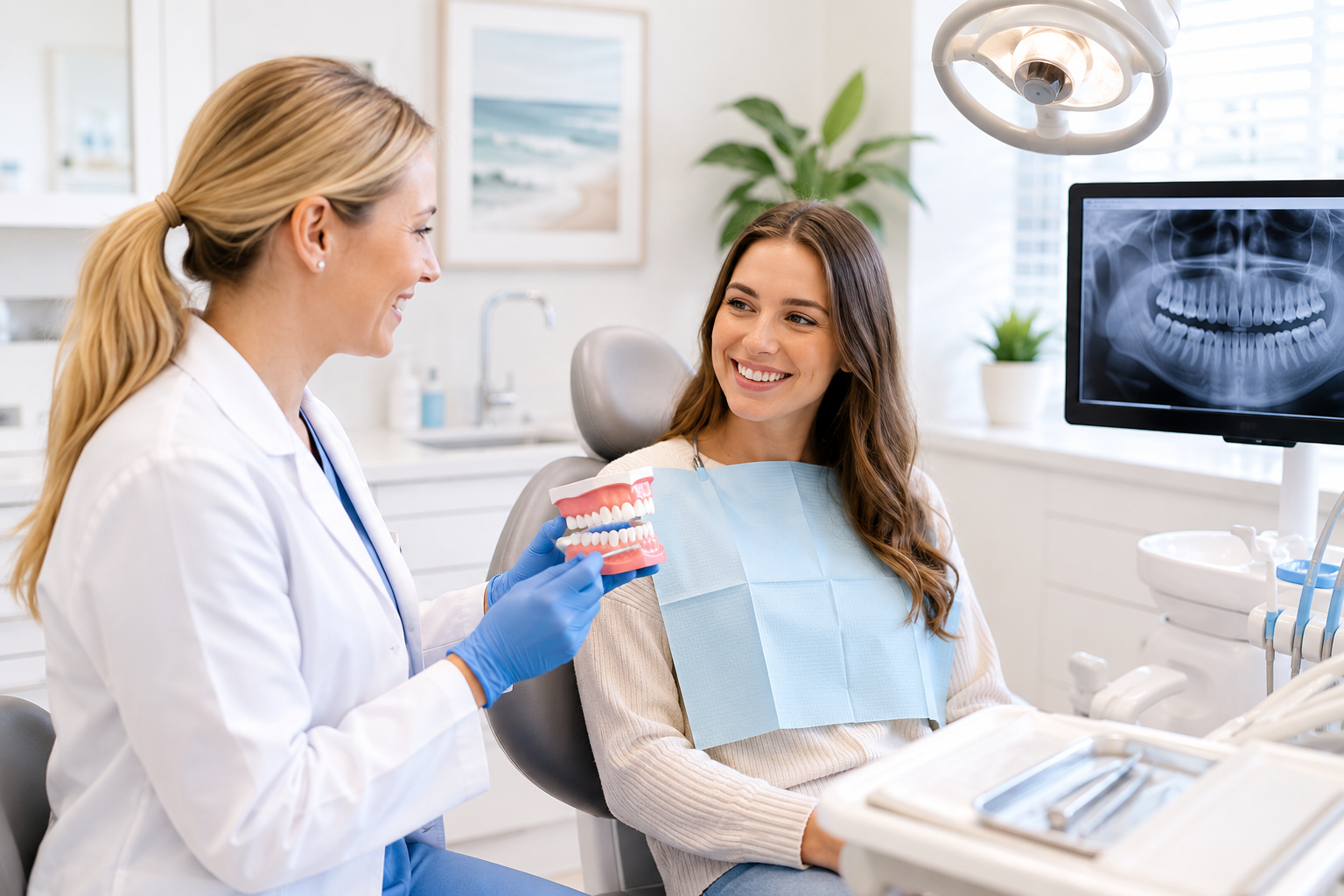
Dental costs in Elk Grove vary by procedure, clinic, and patient needs. Knowing what drives price differences helps readers compare options and plan visits confidently.
Common Factors Influencing Dental Expenses
Location and overhead shape fees; practices near Laguna Boulevard or major shopping areas often charge more due to rent and staff costs. Dentist experience matters: specialists (endodontists, oral surgeons) usually bill higher hourly rates than general dentists.
Procedure complexity directly increases cost. A simple composite filling uses fewer materials and chair time than a root canal followed by a crown. Emergency care and after-hours visits include additional surcharges.
Insurance coverage and network status reduce out-of-pocket expenses. In-network negotiated rates can cut fees 20–50% for the same service. Patient-specific factors such as medical history, need for sedation, and diagnostic imaging (CBCT vs. standard x-ray) add variable expenses. Ask clinics for itemized estimates to spot these influences.
Typical Costs for Preventive Services
Routine exams and cleanings usually range from $75 to $150 without insurance in Elk Grove. Most clinics offer hygiene visits every six months; scaling and polishing may cost slightly more if heavy tartar removal is required.
Digital x-rays typically add $25–$75 depending on the number and type; a full-mouth series costs more than bitewings. Fluoride varnish and sealants are low-cost preventive additions, commonly $20–$60 per application.
Preventive care reduces long-term spending by catching issues early. Many practices bundle exam, cleaning, and bitewing x-rays into discounted wellness packages or offer membership plans that lower per-visit cost. Patients should confirm whether the quoted price includes exam fees, radiographs, and polish to avoid surprises.
Navigating Quotes for Treatments
Request a written, itemized estimate before scheduling any major work. Look for line items such as materials, lab fees (for crowns or dentures), anesthesia, and follow-up visits. Compare at least two local quotes for the same procedure, ensuring both use similar materials (e.g., porcelain vs. PFM crowns).
Ask about payment options: dental financing, CareCredit, practice membership plans, and sliding-scale fees for qualifying patients. Verify insurance benefits—pre-authorization can reveal network savings and remaining patient responsibility.
Clarify warranty and repair policies for prosthetics and restorations. Confirm whether temporary and final crowns are included and whether follow-up adjustments are billed separately. This reduces unexpected costs and improves treatment planning.
Options for Budget-Friendly Dental Solutions
This section outlines practical, local ways to reduce dental costs while maintaining quality care. It highlights clinic types, income-based pricing, and membership options that fit different budgets and needs.
Community Dental Clinics and Resources
Community clinics in Elk Grove, such as county health centers and nonprofit dental clinics, offer low-cost exams, cleanings, and basic restorative work. They often operate on referrals or scheduled sliding-fee visits, and some run mobile clinics or school-based programs for children and seniors.
Many clinics receive federal or state funding and partner with dental schools, meaning patients may see supervised dental students at reduced rates. Typical services include X-rays, fillings, extractions, and preventive education. Wait times can vary, so calling ahead for eligibility, required documentation (proof of income, ID), and appointment availability helps.
Local public health departments sometimes host free screening events or short-term pop-up clinics. Patients should confirm accepted payment forms, whether Medicaid or Denti-Cal is accepted, and any caps on covered procedures to avoid surprise costs.
Sliding Scale and Income-Based Practices
Sliding scale clinics set fees according to household income and family size, reducing out-of-pocket costs for low- and moderate-income patients. Fees typically fall into income brackets; patients provide pay stubs or tax returns during intake to determine their bracket and corresponding price for services.
These practices balance affordability with private practice care and often include preventive appointments, fillings, uncomplicated extractions, and limited crowns. Patients should ask about minimum fees, discount percentages, limits on major procedures, and whether emergency visits carry different rates.
Sliding scale options may require membership or annual renewals and can exclude specialist services like root canals or implants. Confirm scheduling policies, cancellation fees, and whether plans cover lab costs for crowns or dentures to budget accurately.
Membership Plans and Patient Discounts
Dental membership plans (sometimes called in-office dental savings plans) charge an annual fee for discounted preventive and restorative care. Typical plans in Elk Grove range from $99–$399 per year and include two cleanings, exams, and X-rays with reduced fees on fillings, crowns, and root canals.
Memberships suit uninsured patients who visit the same practice regularly; they avoid yearly deductibles and waiting periods common to insurance. Practices often publish fee schedules showing percentage discounts or fixed prices for common procedures—patients should compare those figures to local market rates.
Ask whether plans cover specialist referrals, lab fees, or emergency care outside regular hours. Verify cancellation terms and if unused benefits can roll over; clarity prevents unexpected bills and ensures the membership delivers the expected savings.
Making the Most of Dental Insurance
Patients should know how plans pay for preventive care, basic procedures, and major work, and how yearly maximums, waiting periods, and in-network rules affect out-of-pocket cost. Understanding claim timing, preauthorization needs, and frequency limits helps reduce surprises and stretch benefits.
Coverage Basics and Limitations
Most plans fully cover preventive visits like cleanings and exams when patients see in-network providers. Basic procedures (fillings, simple extractions) usually pay 70–80% after the deductible, while major services (crowns, implants) often pay 50% or require a waiting period of 6–12 months.
Yearly maximums commonly range from $1,000 to $2,000 per person; once reached, the patient pays 100% of additional costs. Plans also set frequency limits — for example, one cleaning every six months, two bitewing X-rays per year, and a crown every five years. Deductibles often apply per calendar year and sometimes per family.
Preauthorization for root canals, crowns, or orthodontics can prevent claim denials. Coordination of benefits matters when patients have two plans; primary vs. secondary rules determine who pays first. Patients should verify in-network providers and confirm specific coverage percentages before major treatment.
Tips for Maxing Out Your Benefits
Schedule preventive visits and needed minor procedures early in the calendar year to use that year’s deductible and maximize the yearly maximum. If a major restoration is planned, split treatment across two calendar years when feasible to access two years’ worth of maximums.
Ask the dental office to submit a preauthorization or predetermination for any expensive procedure; this gives a clear estimate of insurance payment and patient responsibility. Compare in-network and out-of-network costs; in-network dentists usually lower patient fees and reduce balance billing.
Keep clear records of treatment dates, claim numbers, and EOBs (explanations of benefits). If a claim is denied, appeal promptly with clinical notes and X-rays attached. Patients should call their insurer to confirm waiting periods, missing tooth clauses, and any age limits before scheduling.
Financing and Payment Arrangements
Many Elk Grove dental offices break treatment costs into manageable pieces and link patients with outside lenders when needed. Patients can expect clear cost estimates, options to reduce upfront expenses, and staff who explain terms in plain language.
Flexible Payment Plans
Clinics commonly offer in-house payment plans that split balances into monthly installments, often interest-free for short terms like 3–6 months. Patients usually pay an initial down payment (commonly 10–30% of the total) and then a fixed monthly amount until the balance clears.
Providers set plan length and eligibility based on the total treatment cost and a brief credit check or patient history. Emergency care, restorations, and orthodontics frequently qualify. Staff should provide a written schedule showing due dates, total interest (if any), and late-fee policies.
Ask about automatic bank drafts or card payments to simplify billing and whether adjustments are possible for income changes. Patients should request an itemized estimate and compare the total cost under a plan versus paying upfront.
Third-Party Financing Solutions
Many Elk Grove practices partner with lenders like CareCredit, LendingClub Patient Solutions, or local medical credit firms to offer longer-term financing. These plans typically include 6–60 month options with promotional 0% APR periods or fixed-interest loans for larger treatments such as implants or full-mouth restorations.
Application is usually online and yields a quick credit decision; approved patients receive a credit line they can use immediately. Be sure to review the promotional terms: missing a payment can cancel 0% APR offers and trigger retroactive interest. Compare APR, monthly payment, fees, and repayment length across lenders.
Patients should check whether the practice accepts the specific lender, whether co-signers are allowed, and if the lender reports to credit bureaus. Bringing recent pay stubs and a list of expected procedures speeds approval and helps match the best financing product to the patient’s budget.
Preventative Care for Long-Term Savings
Preventative care focuses on simple, routine steps that reduce the need for complex treatments and lower overall dental costs. Routine exams, cleanings, and daily habits catch problems early and prevent expensive procedures later.
Importance of Regular Checkups
Regular checkups every six months let the dentist identify early signs of decay, gum disease, or enamel wear before they require crowns, root canals, or periodontal surgery. Dental x-rays taken annually or as recommended reveal hidden issues such as interproximal cavities or bone loss that visual exams miss.
During a checkup, hygienists remove plaque and tartar that brushing misses; this reduces the risk of cavities and slows gum disease progression. Fluoride treatments and dental sealants for molars provide extra protection for patients prone to cavities, especially children and older adults.
Insurance plans and many Elk Grove clinics offer reduced rates for preventive visits, making twice-yearly exams a cost-effective investment. Keeping records of treatments also helps patients maximize dental benefits before plan year limits reset.
Daily Habits That Cut Costs
Brushing twice daily with a fluoride toothpaste and flossing once a day removes plaque and prevents the acid attacks that lead to cavities. Using an antimicrobial mouthwash when recommended can reduce gingivitis for those with early gum inflammation.
Choosing a soft-bristled brush and replacing it every three months prevents enamel abrasion while maintaining cleaning effectiveness. Limiting sugary snacks and sipping water after meals reduces acid exposure; chewing sugar-free gum with xylitol after meals also stimulates saliva and lowers cavity risk.
Patients who smoke or use tobacco should seek cessation support, since tobacco accelerates gum disease and increases the chance of costly periodontal procedures. Small, consistent habits like these directly reduce the frequency of restorative visits and keep out-of-pocket dental expenses lower over time.
Modern Technology for Efficient Care
Dental offices in Elk Grove use modern tools to make visits faster, safer, and more comfortable for patients. Digital X-rays cut radiation exposure and produce images instantly, so dentists can explain problems clearly and plan treatment without delay.
Intraoral cameras provide close-up views of teeth and gums. Patients see real-time images, which helps them understand issues and participate in treatment decisions.
Many clinics offer CAD/CAM same-day restorations like crowns and onlays. This reduces multiple visits and temporary restorations, saving time and lowering overall costs for those with tight schedules.
Laser dentistry treats soft tissue issues with minimal bleeding and faster healing. It often reduces the need for anesthesia and shortens recovery, increasing comfort for anxious or busy patients.
Electronic records and appointment reminders streamline care coordination and billing. Insurance claims process faster, and staff can focus more on patient needs than paperwork.
Benefits at a glance:
- Faster diagnostics: instant images and digital scans.
- More comfortable treatments: lasers and minimally invasive tools.
- Fewer visits: same-day crowns and restorations.
- Clear communication: visual aids and digital records.
These technologies support preventive care and efficient treatment, helping clinics keep costs reasonable without sacrificing quality. Patients concerned about affordability should ask local practices which technologies they use and how that might shorten treatment time or reduce fees.
What to Look for in a Local Dentist
Patients should choose a dentist who blends clinical skill with clear communication. Look for someone who explains treatment options in plain language and answers questions without rushing.
Check credentials and experience, including licensing and any specialty training. A dentist who stays current with continuing education signals commitment to modern care and safety.
Prioritize practices that emphasize patient comfort and preventive care. Amenities like gentle anesthesia options, short wait times, and a calming office environment matter, especially for anxious patients.
Confirm practical details: office hours, location, and insurance or payment plans. Many clinics offer sliding scales or financing; transparency about costs helps avoid surprises.
Read patient reviews and ask for referrals from neighbors or local community groups. Consistent praise for punctuality, bedside manner, and outcomes often reflects reliable day-to-day care.
Evaluate technology and treatment options available on-site. Digital x-rays, same-day crowns, and in-office whitening indicate a practice investing in efficient, less invasive care.
Look for clear infection-control policies and visible cleanliness. A tidy reception area and well-kept instruments suggest attention to safety and professional standards.
Encourage scheduling a consultation visit to meet staff and observe the office atmosphere. A short visit reveals more than a brochure and helps patients feel comfortable taking the next step.
Taking the First Step Toward a Healthy Smile
They often feel uncertain about where to begin with dental care, especially when budget concerns loom. A simple starting point is a phone call or online visit to a local Elk Grove clinic to ask about sliding scale fees, payment plans, and insurance options.
A basic exam and cleaning can reveal issues early and usually cost far less than emergency treatments. Preventive care reduces long-term expenses, and many practices offer discounted new-patient visits or bundled packages.
Patients should prepare a short list of concerns and any dental history before the visit. Bringing insurance cards, ID, and a rough budget helps the office suggest the most affordable, effective plan.
Many clinics provide clear, written estimates and prioritize comfort during procedures. They explain treatment steps, possible alternatives, and timelines so patients can make informed choices without pressure.
Consider community clinics, dental schools, and nonprofit programs in Elk Grove for lower-cost services. These options often use experienced supervised students or volunteer dentists to deliver quality care at reduced prices.
Encourage scheduling that first checkup within a few weeks to prevent small problems from becoming costly emergencies. Contacting a trusted local provider starts the process; they can answer questions and set a realistic, patient-centered plan.
Frequently Asked Questions
This section answers practical concerns about locating affordable dental care, payment options, which treatments to prioritize, how to assess quality, what to bring to an appointment, and comfort options for anxious patients. Each answer gives concrete steps readers can use immediately to prepare for care in Elk Grove, CA.
What are the best ways to find a trustworthy dentist nearby who fits my budget?
Check online listings like Google Maps and Yelp for Elk Grove dentists and filter by “affordable” or “insurance accepted.” Read at least five recent patient reviews, focusing on comments about costs, transparency, and follow-up care.
Verify credentials on the California Dental Association or state dental board websites to confirm licensure and any disciplinary history. Call the office and ask about low-cost exam and X-ray specials; how staff explain fees on the phone often indicates billing transparency.
Ask for referrals from local clinics, community health centers, or friends who live nearby. Community health centers often keep lists of dentists who accept sliding-scale fees or work with Medi-Cal.
Do local dental offices offer payment plans or financing to help spread out the cost of treatment?
Many Elk Grove practices provide in-office payment plans that split costs over a few months with little or no interest. Ask the front desk for example plans and written terms before booking a procedure.
Several offices accept third-party dental financing (CareCredit, Bread, etc.) for larger treatments, typically with promotional interest-free periods. Confirm the interest rate after any promotional period and whether monthly payments fit your budget.
Some clinics offer sliding-scale fees based on income or accept Medi-Cal and other public programs. Call local community health centers to ask about eligibility and required documentation.
Which dental services are usually the most cost-effective to handle early, before they become bigger problems?
Routine exams, cleanings, and fluoride treatments prevent decay and cost far less than fillings or root canals. Scheduling cleanings every six months typically catches problems early.
Small cavities filled with composite restorations cost less than crowns or root canal therapy that result from untreated decay. Addressing minor gum disease (scaling and root planing) early avoids more extensive periodontal surgery later.
Replacing a missing tooth with a bridge or denture early can prevent shifting and bite problems that require more complex work. Discuss conservative options first; dentists can often stage treatment to spread costs.
How can I tell if a low-cost dental option will still be gentle, safe, and high quality?
Ask about the dentist’s training, years in practice, and whether the office follows standard infection-control protocols. A professional clinic will describe sterilization, disposable item use, and staff PPE without prompting.
Request to see before-and-after photos of similar procedures and ask for patient references or testimonials. Informed consent and a clear treatment plan, including alternatives and risks, indicate ethical care.
Confirm the materials and labs used for crowns, dentures, and implants; reputable offices use certified dental labs and documented warranties. If the office pushes unusually low prices without clear explanations, treat that as a red flag.
What should I bring to my first appointment to help the office give me an accurate estimate and avoid surprises?
Bring a photo ID, current insurance card, and a list of medications with dosages. Also bring prior dental X-rays or a referral letter if available.
Prepare a short medical and dental history, including allergies, chronic conditions, and past reactions to anesthesia. If financing or sliding-scale fees are needed, bring proof of income or documentation the office requests.
Write down any symptoms, when they started, and how pain affects daily life. Clear notes help the dentist prioritize diagnostic tests and avoid unnecessary procedures.
If I’m nervous about dental visits, what comfort options are available to make treatment easier—and are they affordable?
Most practices offer local anesthesia and topical numbing at no extra cost for routine procedures. For extra anxiety relief, offices may provide nitrous oxide (laughing gas) for a modest fee per visit.
Oral sedation (prescription pills) or IV sedation is available in some clinics but costs more and requires pre-visit medical clearance. Ask about a consultation to compare costs and safety for each option.
Simple comfort measures—headphones, weighted blankets, and extra breaks—are often free and can reduce anxiety significantly. Patients should tell staff about their fears when booking so the team can plan accommodations and estimate costs accurately.