
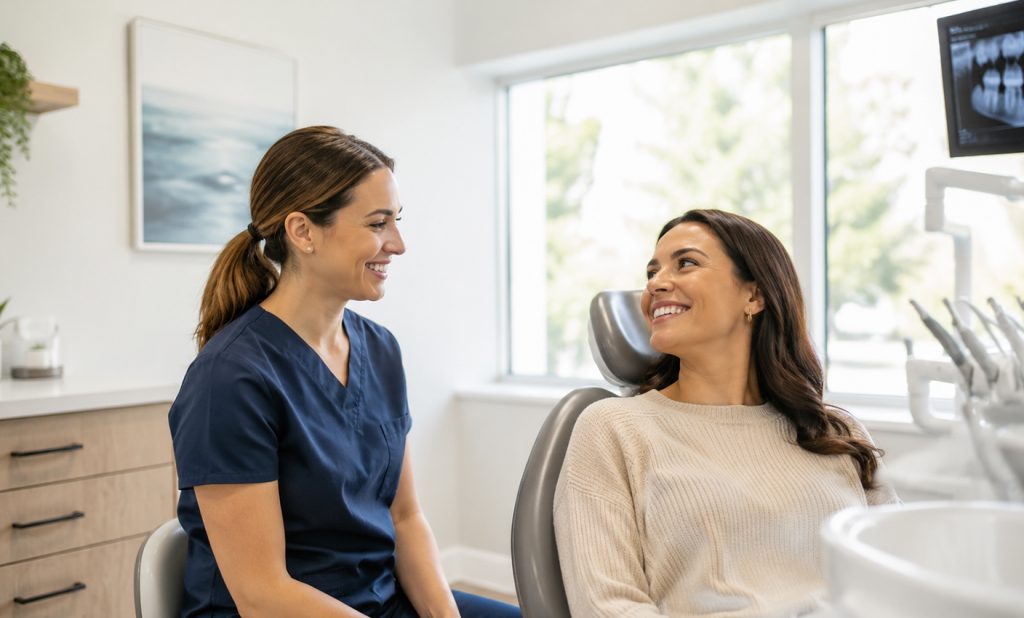
Getting ready for a dental visit does not have to feel stressful. Whether it is time for a routine cleaning, a consultation about tooth pain, an orthodontic visit, or a first appointment with a new dental team, a little preparation can help the day feel smoother from start to finish.
For patients searching for how to prepare for a dental appointment Elk Grove CA, the basics are simple: gather important information, share health details honestly, arrive with questions, and give the dental team a clear picture of any concerns. At Laguna Dental Care & Orthodontics, the goal is to make dental care feel approachable, comfortable, and easy to understand for patients of all ages.
Quick note: This article is for general education only and is not a diagnosis or treatment recommendation. Anyone with pain, swelling, injury, infection symptoms, or questions about dental treatment should consult a licensed dental professional for personalized guidance.
Why Preparation Matters Before a Dental Visit
A dental appointment is more than “just a cleaning.” It is an opportunity to check the health of the teeth, gums, bite, jaw, and surrounding tissues. When patients come prepared, the dental team can better understand their needs and provide more personalized recommendations.
Preparation can also help reduce uncertainty. Many people feel nervous before dental visits because they do not know what to expect. Knowing what to bring, what to mention, and how the visit may unfold can make the experience feel more predictable and relaxed.
For new patients, preparation is especially helpful. The first visit often includes medical history review, dental X-rays if needed, a comprehensive exam, and a conversation about goals or concerns. For returning patients, preparation helps the team stay updated on changes in health, medications, symptoms, or lifestyle habits that may affect oral health.
Confirm the Appointment Details Ahead of Time
Before the visit, patients should confirm the date, time, location, and appointment type. This is especially helpful for families coordinating multiple schedules or anyone visiting a dental office for the first time.
Patients may want to check:
- The exact appointment time and expected length of the visit
- The dental office address and parking options
- Whether new patient forms should be completed in advance
- Insurance information or payment details needed at check-in
- Any special instructions, such as fasting before certain procedures
For most routine dental cleanings and exams, patients can eat, drink, and take regular medications as usual unless the dental office gives different instructions. For appointments involving sedation, oral surgery, or certain procedures, the preparation steps may be different. When in doubt, calling the dental office before the visit is always a good idea.
Complete New Patient Forms Early, If Available
Many dental offices allow patients to complete forms before arriving. This can save time in the waiting area and make check-in easier.
New patient forms typically ask about contact information, dental insurance, medical history, medications, allergies, and previous dental experiences. These details help the dentist understand how a patient’s overall health may relate to oral health.
For example, diabetes, pregnancy, heart conditions, acid reflux, sleep apnea, autoimmune conditions, and certain medications can all affect the mouth in different ways. Dry mouth, bleeding gums, tooth sensitivity, and jaw discomfort may also connect to medical history or daily habits.
Patients should answer forms as accurately as possible. Even small details can help the dental team provide safer, more comfortable care.
Bring the Right Items to the Appointment
Packing a few essentials can help the appointment go more smoothly. Patients do not need to bring much, but the right information can prevent delays and help the dental team provide better care.
Items to Bring
- A photo ID
- Dental insurance card, if applicable
- A list of current medications and supplements
- Information about allergies, especially medication allergies
- Any recent dental X-rays, if provided by a previous dentist
- Retainers, nightguards, dentures, aligners, or oral appliances
- A list of dental concerns or questions
- A preferred payment method for any estimated out-of-pocket costs
Patients who wear removable appliances, such as retainers or dentures, should bring them even if the appointment is only for a cleaning. The dental team can check the fit, cleanliness, and condition of the appliance.
Make a List of Questions and Concerns
It is common for patients to remember a question at home, then forget it once they are in the dental chair. Writing down questions ahead of time helps patients make the most of their visit.
Good questions to ask may include:
- Why are the teeth sensitive to cold or sweets?
- What can be done about bleeding gums?
- Is grinding or clenching causing jaw soreness?
- Are whitening treatments a good option?
- Does the patient need a filling, crown, or other restorative care?
- Would orthodontic treatment help with crowding or bite concerns?
- How often should cleanings be scheduled?
- What can improve brushing or flossing at home?
Patients should also mention any symptoms, even if they seem minor. Occasional sensitivity, gum tenderness, bad breath, clicking in the jaw, chipped teeth, food getting stuck, or changes in bite can all be helpful clues.
Be Honest About Dental Anxiety
Dental anxiety is very common. Some patients feel nervous because of a past experience, fear of discomfort, embarrassment about oral health, or uncertainty about cost. Others simply dislike the sounds, sensations, or feeling of not being in control.
Patients should feel comfortable telling the dental team if they are anxious. A caring dental office can explain each step, pause when needed, check in often, and discuss comfort options that may be appropriate.
Simple strategies may help before and during the appointment:
- Arrive a little early to avoid feeling rushed
- Practice slow breathing while waiting
- Bring headphones for calming music or a podcast, if allowed
- Ask the dental team to explain what they are doing before they begin
- Agree on a hand signal to pause treatment
- Schedule appointments earlier in the day if waiting increases stress
A dental appointment should feel like a partnership. Patients can ask for clarification, request breaks, and speak up about discomfort at any point.
Update the Dental Team About Health Changes
Oral health and overall health are closely connected. Before each visit, patients should think about any changes since their last appointment.
Important updates may include:
- New medications or dosage changes
- Recent surgeries or hospital visits
- Pregnancy or plans to become pregnant
- New medical diagnoses
- Allergies or reactions to medications
- Changes in blood pressure, heart health, or diabetes management
- Use of blood thinners or osteoporosis medications
These updates help the dental team choose appropriate care, avoid potential medication interactions, and understand any added risk factors. Patients should not stop or change prescribed medications before dental care unless their physician or dentist specifically tells them to do so.
Brush and Floss Before the Visit, But Do Not Worry About Perfection
Brushing and flossing before a dental appointment is courteous and helpful, but patients do not need to feel embarrassed if their routine has not been perfect. Dental professionals are there to help, not judge.
Before the appointment, patients can brush with fluoride toothpaste and floss gently to remove food debris. It is best not to brush aggressively right before the visit, especially if the gums are already tender. Rough brushing can irritate the gums and may cause temporary bleeding.
If a patient has not flossed in a while, the dental team may notice inflammation or bleeding. That is not a reason to feel ashamed. Instead, it gives the hygienist and dentist a chance to provide tips that fit the patient’s real life, schedule, and comfort level.
Eat Normally Unless Given Special Instructions
For a standard dental exam or cleaning, most patients can eat beforehand. Choosing a light meal or snack can help prevent hunger, especially if the appointment falls near mealtime.
Patients may want to avoid sticky, heavily seasoned, or strongly scented foods right before the visit. Drinking water is also helpful.
If the appointment involves sedation, oral surgery, or a specific dental procedure, the office may provide special instructions about eating and drinking. Those instructions should be followed closely for safety.
Prepare Children for a Dental Appointment
For parents bringing children to the dentist, preparation can make a big difference. The goal is to keep the conversation positive, simple, and calm.
Parents can explain that the dental team will “count the teeth,” “clean the smile,” and “check that everything is healthy.” It is usually best to avoid words that may sound scary, such as “shot,” “drill,” or “pain,” even if the parent is trying to reassure the child.
Helpful tips for children include:
- Schedule the visit when the child is usually well-rested
- Bring a comfort item, such as a small toy or blanket
- Read a children’s book about visiting the dentist
- Keep explanations brief and upbeat
- Praise cooperation and bravery after the visit
Children often take emotional cues from adults. A calm, encouraging tone can help them feel more secure.
Know What to Expect During a Routine Dental Visit
Every appointment is a little different, but a routine dental visit often follows a familiar pattern. Patients may start by checking in, reviewing forms, and updating health information. The dental team may take X-rays when needed to see areas not visible during a visual exam.
During a cleaning, a hygienist typically removes plaque and tartar buildup, polishes the teeth, and offers home care guidance. The dentist then examines the teeth, gums, bite, and mouth. If any concerns appear, the dentist explains the findings and discusses possible next steps.
Patients should feel free to ask what is being checked and why. Clear explanations help patients make informed decisions about their oral health.
Understand Insurance and Payment Questions
Dental costs can be a source of anxiety, so it helps to prepare insurance and payment information before the appointment. Patients with dental insurance should bring their current card and verify that their information is up to date.
It may also help to ask the dental office about estimated costs before treatment begins. Insurance benefits can vary based on the plan, deductible, annual maximum, waiting periods, and covered services. The dental office may help patients understand estimates, but final insurance payments are determined by the insurance carrier.
Patients who do not have dental insurance can ask about available payment options. The best approach is to have an open conversation before care begins so there are fewer surprises.
After the Appointment: Follow Through on Recommendations
Preparation does not end when the appointment is over. After the visit, patients should review any instructions, schedule recommended follow-up care, and continue healthy habits at home.
Common after-visit steps may include:
- Scheduling the next cleaning or exam
- Following home care instructions for brushing, flossing, or rinsing
- Monitoring symptoms that were discussed during the visit
- Completing recommended treatment in a timely manner
- Calling the office with questions about instructions, discomfort, or costs
Preventive care works best when patients and the dental team stay connected. Small issues are often easier to manage when they are found early.
FAQ: Preparing for a Dental Appointment
How early should a patient arrive for a dental appointment?
New patients may want to arrive 10 to 15 minutes early, especially if forms need to be completed. Returning patients can also benefit from arriving a few minutes early to check in without feeling rushed.
Should patients brush their teeth before going to the dentist?
Yes, brushing and gentle flossing before a dental visit is helpful. However, patients should not worry if their teeth are not perfect. Dental professionals are trained to clean teeth and support better home care without judgment.
Can patients eat before a dental cleaning?
Most patients can eat before a routine cleaning or exam. If the appointment involves sedation, surgery, or a specific procedure, the dental office may give special food and drink instructions that should be followed carefully.
What should a new patient bring to the dentist?
A new patient should bring a photo ID, dental insurance card if applicable, medication list, allergy information, previous X-rays if available, and any dental appliances such as retainers or nightguards.
What if a patient is nervous about the appointment?
Patients should tell the dental team about anxiety before the visit begins. The team can explain steps, offer breaks, use a pause signal, and discuss comfort-focused options that may be appropriate for the appointment.
How often should patients schedule dental visits?
Many patients visit the dentist every six months for preventive care, but some may need more frequent visits depending on gum health, cavity risk, medical conditions, or treatment needs. A dentist can recommend a schedule based on the patient’s individual oral health.
A More Comfortable Dental Visit Starts With a Little Preparation
Preparing for a dental appointment does not need to be complicated. Confirming the appointment, bringing the right information, sharing health updates, and writing down questions can help patients feel more confident and in control.
For anyone wondering how to prepare for a dental appointment in Elk Grove, CA, the most important step is simple: communicate openly with the dental team. Questions, concerns, anxiety, symptoms, and goals all matter.
Laguna Dental Care & Orthodontics welcomes patients to ask questions, discuss comfort needs, and take the next step toward a healthier smile. A friendly conversation with the dental team can help make the visit easier, clearer, and more reassuring.