
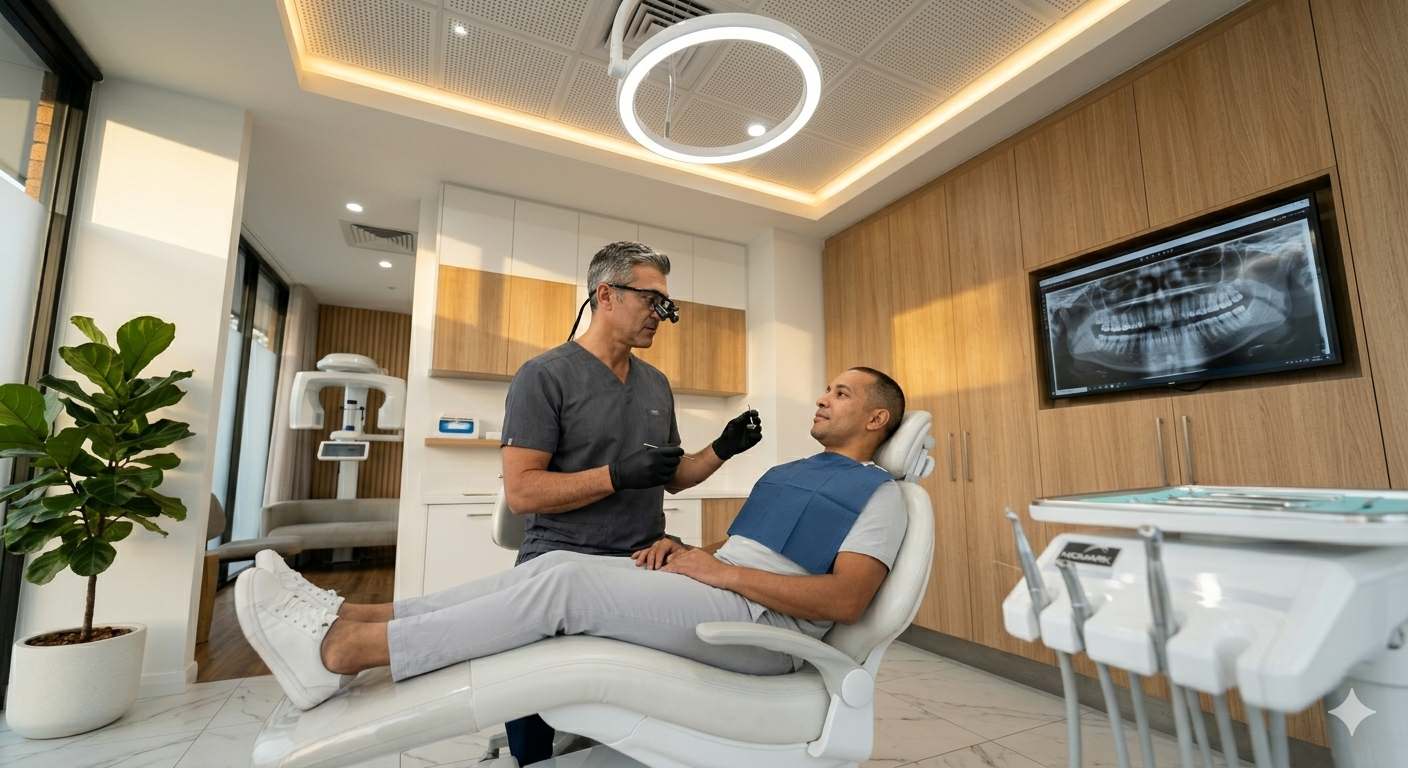
Dental implants in Elk Grove, CA, offer a reliable and natural-looking solution for those missing one or more teeth. They provide a strong foundation for replacement teeth, improving both function and appearance without affecting nearby teeth. This makes them a popular choice for people seeking long-term dental health.
The process is designed to be comfortable and tailored to each patient’s needs. Using advanced technology, dental professionals in Elk Grove ensure implants are placed with precision, helping patients regain confidence in their smile. Many find that implants feel and function like their original teeth.
If someone is considering dental implants, Elk Grove offers expert care with an emphasis on patient comfort and modern techniques. It’s a good idea to discuss individual needs and options with a local dentist to find the best treatment plan.
Understanding Dental Implants
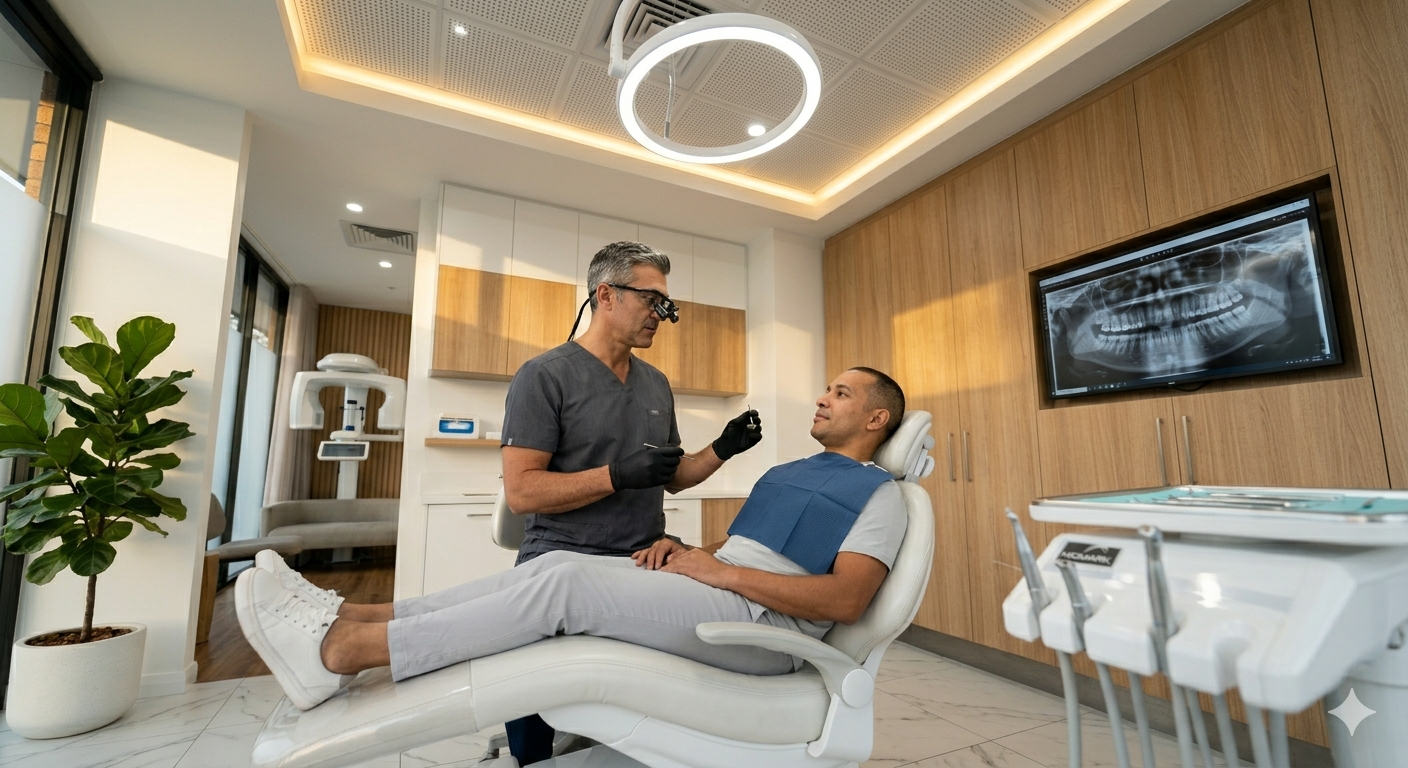
Dental implants offer a durable way to replace missing teeth with natural-looking results. They integrate with the jawbone to support crowns, bridges, or dentures. The process involves several components and options tailored to individual needs.
What Are Dental Implants?
Dental implants are small titanium posts surgically placed into the jawbone. They act as artificial tooth roots, providing a strong foundation for replacement teeth. Unlike dentures, implants don’t slip or shift, helping with chewing and speaking confidently.
The titanium used is biocompatible, meaning the body accepts it without adverse reaction. Over several months, the bone grows around the implant in a process called osseointegration, securing it firmly in place. This stability supports a natural bite and helps preserve jawbone health.
Implants can replace a single tooth or support multiple teeth with implant-supported bridges or dentures, making them a versatile solution for tooth loss.
How Dental Implants Work
After placing the implant in the jawbone, there is a healing period allowing the bone to fuse with the implant. This can take 3 to 6 months depending on bone quality. Once healed, a connector called an abutment is attached to the implant.
The abutment holds the custom-made crown or dental prosthesis. This final piece is designed to match the color and shape of the surrounding teeth, creating a seamless look. Unlike other options, implants function like natural teeth because they are anchored in bone.
The implant distributes biting forces evenly, which protects the jawbone from deterioration. Proper care and regular dental checkups help ensure the longevity of the implant, often lasting 15 years or more.
Types of Dental Implants
There are several types of dental implants, though two main categories stand out:
- Endosteal implants: The most common type, these are placed directly into the jawbone. They are usually shaped like screws, cylinders, or blades.
- Subperiosteal implants: These sit on top of the jawbone but beneath the gums, used in patients with insufficient bone height.
Within endosteal implants, options vary by size and design depending on the location and bone density. Some implants are designed for immediate placement after extraction, while others require bone grafting beforehand.
The choice depends on the patient’s oral health, bone condition, and restoration goals. A thorough evaluation by a dental professional determines the best type for each case.
Who Can Benefit from Dental Implants?
Dental implants are a reliable option for many people who have lost one or more teeth. Whether due to injury, decay, or aging, implants provide a stable solution that restores both function and appearance.
Ideal Candidates
Ideal candidates for dental implants have healthy gums and sufficient jawbone to support the implant. Good overall health is important because conditions like uncontrolled diabetes or smoking can affect healing. A dentist will evaluate bone density through scans to ensure a strong foundation for the implant.
Patients should also have good oral hygiene habits. This reduces the risk of infection and implant failure. People missing single teeth, multiple teeth, or needing full-arch restoration often qualify. Even those who wear dentures may benefit from implants to improve fit and comfort.
Common Reasons for Tooth Loss
Tooth loss in Elk Grove, CA, happens for a variety of reasons. The most frequent cause is periodontal disease (gum disease), which damages the tissue and bone supporting teeth. Untreated cavities and severe decay can also lead to extraction when teeth cannot be saved.
Accidents or trauma from sports, falls, or other injuries are common too. Sometimes, congenital issues or dental anomalies mean teeth never fully develop. Losing teeth impacts chewing, speech, and self-confidence, which dental implants aim to restore naturally.
Age Considerations
Dental implants can be suitable for adults of varying ages. The primary age consideration is whether the jawbone has fully matured. For younger patients, implant placement generally waits until late teens or early twenties.
Older adults can often receive implants successfully, provided their bone quality is adequate. Age alone is not a barrier. Many seniors choose implants to improve the stability of dentures or replace failing teeth. Regular dental check-ups help determine the best timing and approach.
If you or someone you know in Elk Grove is considering dental implants, a consultation with a dental specialist can clarify candidacy and next steps.
The Dental Implant Process in Elk Grove
Dental implants in Elk Grove involve several carefully planned steps that prioritize patient comfort and long-term success. From the first visit to full recovery, each phase is designed to ensure precision and ease.
Initial Consultation
During the initial consultation, the dentist evaluates the patient’s oral health, bone density, and overall medical history. This helps determine if dental implants are suitable and whether additional procedures like bone grafts are needed.
Advanced imaging, such as 3D scans, provides a detailed view of the jaw structure. This technology allows for precise planning and custom implant placement that fits the patient’s unique anatomy.
The dentist also discusses options for anesthesia and addresses any concerns about the procedure. This step builds trust and sets clear expectations for the implant journey.
Step-by-Step Placement Procedure
The implant placement begins with numbing the area using local anesthesia or sedation for patient comfort. A small incision is made in the gum to expose the jawbone.
Next, the implant post, typically made of titanium, is inserted into the bone. The gum is then closed around the implant to begin the healing process.
Occasionally, temporary crowns or healing caps are placed to protect the implant site. This step usually takes less than an hour but varies depending on the number of implants and complexity.
Healing and Recovery Timeline
Healing after implant placement generally takes 3 to 6 months, during which osseointegration occurs—meaning the implant fuses with the jawbone. This creates a stable foundation for the final crown.
During recovery, patients may experience mild swelling or discomfort, which subsides with prescribed pain management. Soft food and gentle oral hygiene are recommended to protect the site.
Regular follow-up visits monitor healing progress and prepare for the next phase, which involves attaching the abutment and custom crown. This phased approach ensures durability and restores natural bite function.
Benefits of Choosing Implants for Tooth Replacement
Dental implants offer several key advantages that make them a popular choice for those needing tooth replacement. They restore both appearance and function while supporting long-term oral health. These benefits help patients regain confidence and improve quality of life.
Restored Appearance and Confidence
Dental implants closely mimic the look of natural teeth. The implant crown is custom-made to match the shape, size, and color of surrounding teeth, creating a seamless smile. Unlike dentures, implants do not slip or move, so patients can smile, speak, and eat without worry.
This natural appearance often boosts self-confidence. Patients report feeling more comfortable in social or professional situations knowing their teeth look authentic. For many, implants help restore a sense of normalcy that missing teeth can interrupt.
Natural Functionality
Implants function like real teeth because they are anchored securely into the jawbone. This provides stable support for biting and chewing, unlike removable partials or dentures that may shift during use. Patients can enjoy a wide variety of foods without concern.
Because implants integrate with bone, they also help maintain proper bite alignment. This improves overall comfort and prevents issues that arise when teeth shift or gaps remain unfilled. The result is a restoration that feels and performs naturally.
Long-Term Oral Health Advantages
Implants stimulate the jawbone, preventing bone loss common after tooth loss. This helps maintain facial structure and avoids the sunken look seen with untreated gaps. Preserving bone density also supports surrounding teeth, reducing risk of further dental problems.
Unlike bridges, implants don’t require the reduction of neighboring teeth, preserving more natural tooth structure. They also resist decay and cavities, which improves overall oral hygiene in the long term. Proper care can make implants last a lifetime.
Modern Technology and Comfort in Local Dental Care
Dental practices in Elk Grove use the latest tools to improve both the accuracy of treatment and patient comfort. These updates help dentists plan better and make visits less stressful.
Advanced Imaging and Precision Planning
Elk Grove dental offices often use 3D cone beam CT scans instead of traditional X-rays. This gives a complete, detailed view of the jawbone, nerves, and sinuses. It helps dentists place implants more precisely, reducing risks and improving outcomes.
Digital scans also replace messy molds, capturing the mouth’s shape quickly and accurately. This data allows for computer-guided implant surgery, ensuring the implant fits perfectly the first time. The precision reduces healing times and discomfort after surgery.
With these advances, dentists can spot potential problems early and customize treatment plans down to the millimeter. This means fewer surprises for patients and a smoother implant experience.
Comfort-Focused Treatment Methods
Comfort is a priority in Elk Grove dental offices using newer techniques. Many now offer sedation options like nitrous oxide or oral sedatives to ease anxiety, especially for implant procedures.
Minimally invasive methods, such as flapless implant surgery, reduce tissue trauma and swelling. Local anesthesia combined with these techniques keeps patients comfortable throughout the process.
Additionally, custom healing caps and careful aftercare instructions help promote fast recovery, minimizing pain and irritation. These measures ensure patients feel cared for from consultation to completion.
If questions about comfort options come up, talking directly with the dentist will provide clear, personalized advice.
Caring for Your New Smile
Maintaining dental implants requires simple daily habits and regular professional checkups to keep them strong and healthy. A consistent routine helps protect the implant and surrounding gum tissue while ensuring long-term success.
Daily Maintenance Tips
Brushing twice a day with a soft-bristled toothbrush is essential to prevent plaque buildup around the implant. Using a low-abrasive toothpaste helps avoid damage to the implant crown’s surface. Flossing daily is just as important; specially designed implant floss or interdental brushes can clean areas regular floss can’t reach.
Avoid hard or sticky foods that might stress the implant or crown. Rinsing with an antimicrobial mouthwash can reduce bacteria and support gum health. Drinking plenty of water throughout the day also helps wash away food particles and keeps the mouth fresh.
Professional Follow-Up Care
Regular dental visits are crucial for monitoring the implant’s stability and gum health. Typically, a check-up every six months allows the dentist to detect problems early, such as inflammation or bone loss.
During these visits, the dentist will professionally clean around the implant, which can be harder to maintain with home care alone. They may use special tools designed not to scratch the implant surface. X-rays might be taken to assess the bone level supporting the implant ensuring it remains secure.
Comparing Dental Implants to Other Tooth Replacement Options
Choosing how to replace missing teeth involves considering durability, comfort, and long-term effects on oral health. Different options vary in how they affect surrounding teeth, ease of maintenance, and overall function.
Dental Bridges and Dentures
Dental bridges rely on neighboring teeth for support, which means those teeth must be shaped to hold the bridge. This can sometimes weaken healthy teeth over time. Bridges typically last 5 to 15 years and require good oral hygiene to prevent issues beneath the bridge.
Dentures, on the other hand, are removable and sit on the gums. They are less invasive initially but can cause discomfort, slipping, or bone loss since they don’t replace tooth roots. Dentures usually need periodic adjustments or replacement.
In contrast, dental implants are anchored directly into the jawbone, preserving bone and mimicking natural teeth. They feel stable and don’t impact adjacent teeth.
Cost Considerations
Dental implants often have a higher upfront cost compared to bridges and dentures. Implants typically range from $3,000 to $5,000 per tooth in Elk Grove, CA, depending on specifics like bone grafting or additional procedures.
Bridges generally cost less initially, about $1,500 to $3,000 per unit, but may require replacement sooner. Dentures are the most affordable upfront, sometimes under $1,000, but ongoing maintenance can add to the total expense.
It’s important to view costs over time. Implants tend to be more cost-effective long-term because they rarely need replacement and support jaw health, reducing future dental work.
What to Expect During Your First Visit
During the first visit for dental implants in Elk Grove, the dentist begins with a thorough examination. This includes reviewing your dental history and assessing your overall oral health to ensure implants are a suitable option.
Next, X-rays or 3D scans are taken to get a clear picture of your jawbone structure. These images help the dentist plan the implant placement with precision.
The dentist will discuss the entire process, including timelines, costs, and the types of implants available. Patients are encouraged to ask questions and share any concerns.
Expect the staff to explain how to prepare for implant surgery if you proceed. They prioritize patient comfort and provide tips for a smooth experience.
Some clinics may offer a preliminary cleaning or other treatments to ensure your mouth is healthy before implantation. This step helps prevent complications and supports healing.
Here’s a quick overview of what happens:
| What Happens | Why It Matters |
|---|---|
| Oral health exam | Confirm suitability for implants |
| Imaging (X-rays/3D scans) | Plan precise implant placement |
| Treatment discussion | Understand the process and costs |
| Preparation guidelines | Ensure a smooth surgery and recovery |
This first visit sets the foundation for successful dental implant treatment. It’s a chance to feel comfortable and informed before moving forward.
Next Steps Toward a Restored Smile
After deciding on dental implants in Elk Grove, CA, the first step is scheduling a consultation. During this appointment, the dentist will review medical history, examine oral health, and discuss the patient’s goals.
Impressions or digital scans may be taken to plan the implant placement precisely. This helps ensure the implant fits well and feels natural.
Preparation might include addressing any gum disease or tooth decay beforehand. The dentist will explain each step to ease any concerns and build confidence.
The implant surgery itself is typically done under local anesthesia. It involves placing a small titanium post into the jawbone, which acts as the tooth root.
Healing time varies but usually takes a few months. During this period, the implant fuses with the bone—a process called osseointegration. Patience here leads to a strong foundation.
Once healed, a custom-made crown is attached to the implant. This crown matches surrounding teeth in color and shape for a natural smile.
Patients should follow clear home care instructions, including good oral hygiene and regular dental visits. This helps ensure the longevity of the implant.
Key points to remember:
- Consultation and planning
- Addressing pre-existing oral health issues
- Implant placement and healing period
- Final restoration with a crown
- Ongoing care and maintenance
Encourage your loved one to reach out to their Elk Grove dentist with questions. Taking these next steps brings them closer to a comfortable, confident smile.
Frequently Asked Questions
Many patients want to know about eligibility, treatment length, pain management, and cost when considering dental implants. Understanding care needs and choices for replacing multiple teeth also helps make informed decisions.
Am I a good candidate for dental implants if I have gum disease or bone loss?
Gum disease and bone loss can affect implant success but don’t automatically rule out the option. Treatment to control gum disease and procedures like bone grafting can prepare the mouth for implants.
A thorough dental evaluation is essential to determine the best approach and improve implant stability.
How long does the dental implant process usually take from start to finish?
The implant process generally takes several months. After placing the implant, several weeks are needed for the bone to fuse with the implant through osseointegration.
Additional healing time may be required for bone grafts or other preparatory treatments before final restorations.
Does getting a dental implant hurt, and what can I expect during recovery?
Most patients experience mild discomfort rather than severe pain, managed well with medication. Swelling and soreness are common for a few days after surgery.
Recovery includes avoiding hard foods and maintaining oral hygiene to promote healing and prevent infection.
What are my options if I’m missing multiple teeth—implants, bridges, or dentures?
Dental implants can replace single or multiple teeth, often providing a more natural feel and longer-lasting results than bridges or dentures. Bridges rely on adjacent teeth for support, while dentures are removable.
Implant-supported bridges or dentures offer stable alternatives when several teeth are missing.
How much do dental implants typically cost, and do insurance plans help cover them?
Costs vary based on the number of implants and any additional procedures needed, often ranging from $3,000 to $6,000 per implant. Many dental insurance plans provide limited coverage, but some may cover parts like the crown or preliminary exams.
Patients should check with both their dental office and insurance provider for specific coverage details.
How do I care for dental implants at home to help them last for many years?
Good oral hygiene is critical—brushing twice daily and flossing to avoid plaque buildup around the implant. Regular dental check-ups help monitor implant health and catch issues early.
Avoiding tobacco and maintaining a healthy diet also support long-term implant success.