
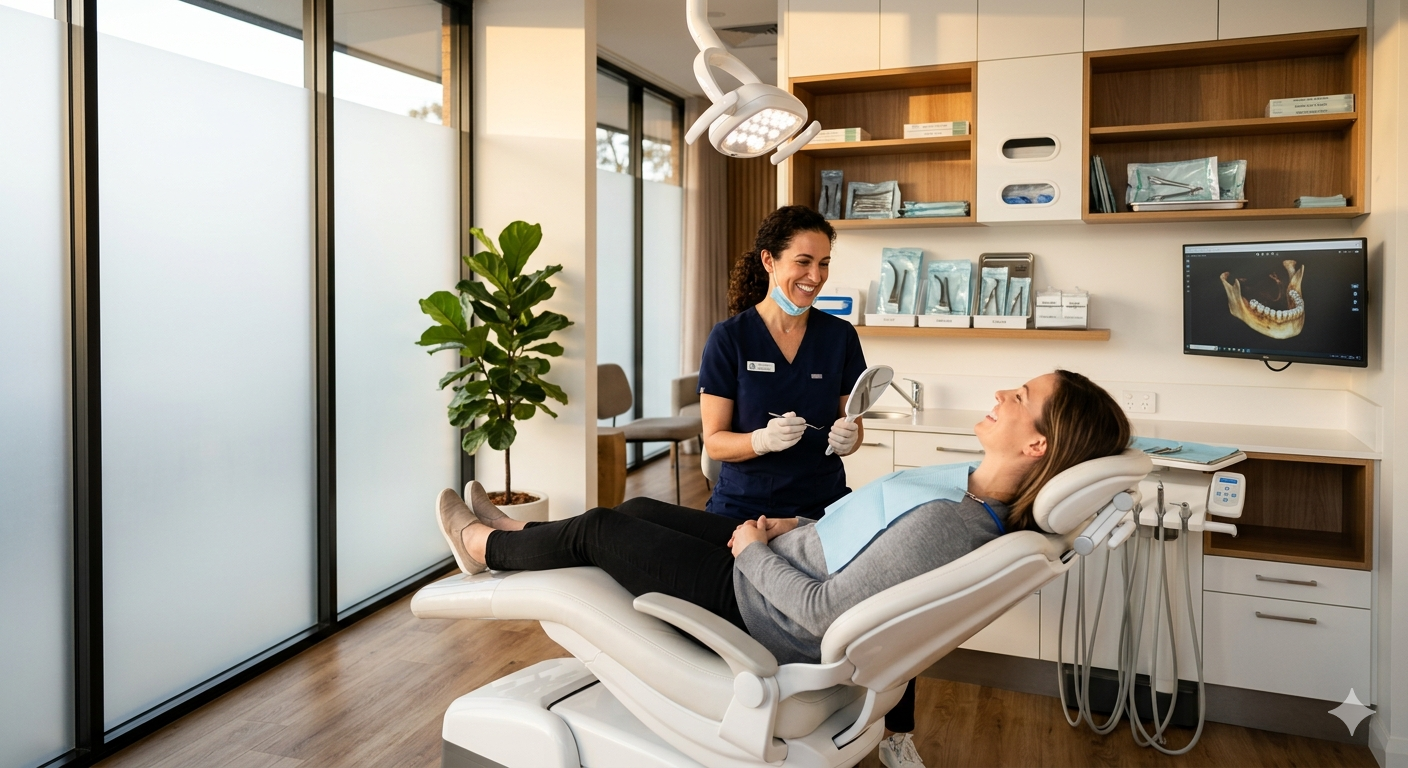
When a dental emergency strikes in Elk Grove, CA, finding prompt and reliable care is essential to ease pain and prevent further damage. Emergency dental services in Elk Grove are designed to provide quick access to professional treatment for issues like severe toothaches, broken teeth, or lost fillings.
Local dental clinics offer extended hours and same-day appointments to handle these urgent needs with compassion and expertise. Patients can expect modern treatment options focused on comfort and effective relief, helping them get back to feeling their best as soon as possible.
Whether it’s a sudden injury or unexpected pain, knowing where to turn for emergency dental care can make all the difference. Reaching out early ensures the right care is available when it matters most.
What Are Emergency Dental Services?
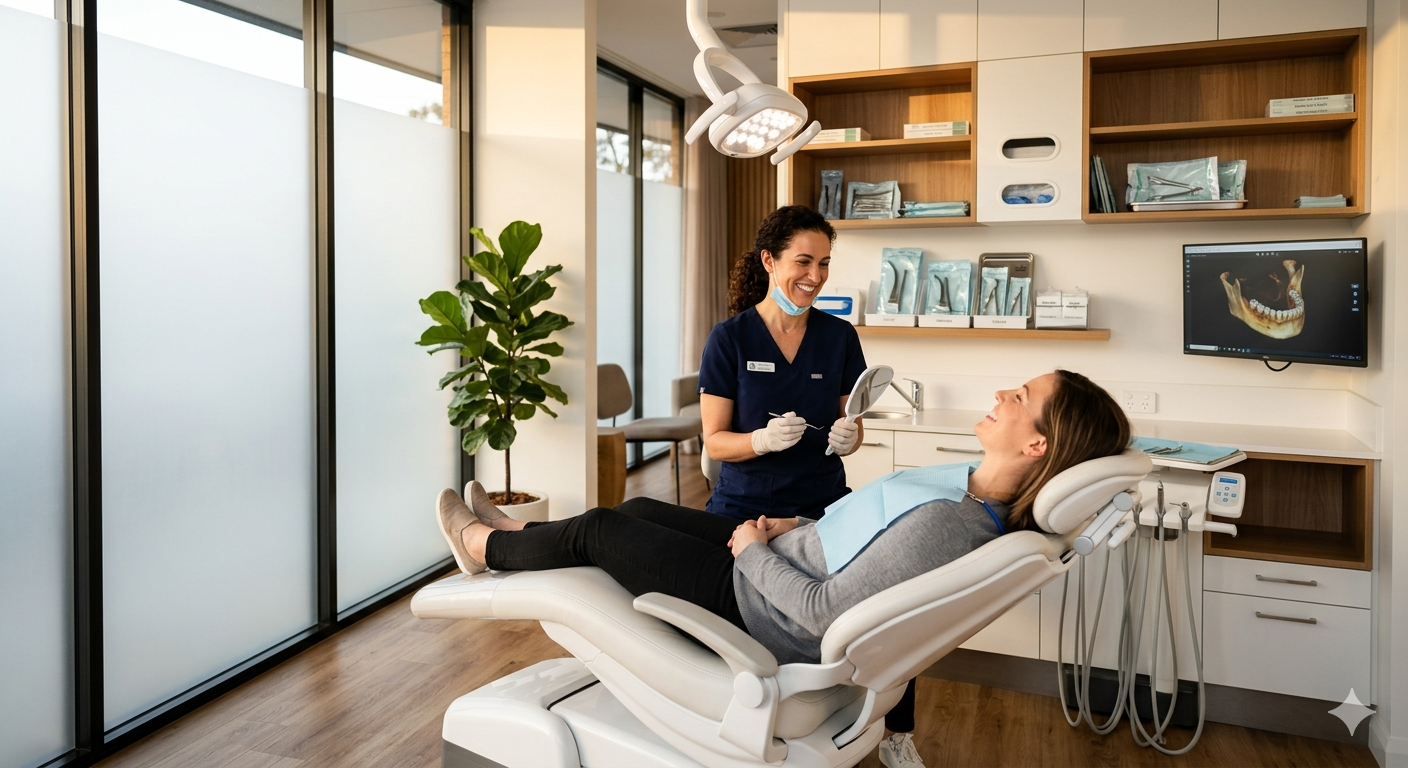
Emergency dental services address urgent dental problems that need immediate attention to relieve pain, prevent infection, or save teeth. They cover a range of issues from accidental injuries to sudden, severe discomfort.
Emergency care ensures quick diagnosis and treatment, minimizing complications and restoring dental health as fast as possible.
Key Situations That Require Emergency Care
Situations needing emergency dental care often involve intense pain or trauma. Examples include severe toothaches, cracked or broken teeth, and teeth knocked out by accidents.
Other cases are lost fillings or crowns, abscesses with swelling, and injuries causing bleeding inside the mouth. Timing is crucial in these cases; prompt treatment can often save a tooth or prevent infection.
Infection signs like fever or facial swelling also demand urgent attention. Ignoring these problems may lead to worse complications.
How to Identify a Dental Emergency
A dental emergency is not every problem that causes discomfort—it usually involves sudden, significant pain or visible damage. If pain is sharp, persistent, and prevents normal activity, it’s an emergency.
Visible broken teeth, uncontrolled bleeding, or a loose tooth after trauma are clear indicators. Difficulty breathing or swallowing related to dental issues is also a serious emergency and requires immediate care.
Mild sensitivity or minor discomfort can often wait for a scheduled visit, but sudden changes warrant quick action. When in doubt, it’s better to consult an emergency dentist.
Common Myths About Dental Emergencies
One myth is that only accidents cause dental emergencies, but infections and severe decay often qualify. Many believe toothaches can always wait, but sharp, worsening pain should not be ignored.
Another misconception is that emergency dental care is too expensive or only available during standard hours. Many Elk Grove clinics offer after-hours services and affordable emergency options.
Some think losing a tooth means it’s gone forever, but quick action can often save or reimplant a knocked-out tooth. Understanding these truths can reduce anxiety and encourage timely treatment.
Types of Dental Emergencies Seen in Elk Grove CA
Emergency dental problems vary widely but often require quick and effective care to relieve pain and prevent further damage. Common issues include intense tooth pain, damaged teeth, lost restorations, and infections that cause swelling. Each situation demands specific attention to restore oral health and comfort.
Toothaches and Severe Pain
Toothaches are one of the most frequent dental emergencies in Elk Grove. The pain often signals deeper problems like decay, infection, or nerve damage. Sharp, throbbing, or constant pain can affect eating, sleeping, and daily life.
A dentist typically examines the tooth for cavities, cracks, or abscesses. Treatment may involve fillings, root canals, or pain relief options tailored to the cause. It’s important not to ignore persistent tooth pain, as early care can prevent more complex procedures later.
Broken or Knocked-Out Teeth
Accidents happen, and broken or knocked-out teeth need immediate care to increase chances of saving them. A clean break or minor chip may be smoothened or repaired with bonding or crowns. More severe breaks can expose nerves, causing intense pain.
For knocked-out teeth, quick action is critical. If found, gently rinse the tooth (avoid scrubbing), keep it moist, and get to the dentist within an hour. Dentists often reimplant the tooth and use splints to stabilize it, preserving your natural smile when possible.
Lost Fillings or Crowns
Losing a filling or crown can be uncomfortable and expose the tooth to damage. Fillings may fall out due to decay around the edges or biting something hard. Crowns can come loose if the underlying tooth decays or adhesive weakens.
Temporary dental cement can protect the area until professional care is possible. The dentist will evaluate the tooth’s condition, replace the filling or crown, and ensure a proper fit and seal to avoid sensitivity or infection.
Swelling, Abscesses, and Infections
Swelling in the gums or face often signals an infection or abscess, which requires prompt treatment. An abscess is a painful pus-filled pocket caused by bacteria invading tooth or gum tissue.
Left untreated, infections can spread and cause serious health risks. Dentists typically drain abscesses, clear infection with antibiotics, and treat the source—often through root canals or tooth extraction. Immediate care is necessary to control swelling and prevent complications.
Immediate Steps to Take During a Dental Emergency
Knowing how to act quickly and carefully can protect teeth and reduce pain before professional help arrives. Staying calm and following specific actions can make a significant difference in the outcome of the emergency.
Protecting Your Tooth Before You Reach the Dentist
If a tooth is knocked out, keeping it moist is critical. The best option is to place the tooth gently back into its socket without touching the root. If that’s not possible, store the tooth in a container with milk or saline solution to preserve it.
Avoid scrubbing or cleaning the tooth vigorously as this can damage the root. Handle the tooth by the crown (the chewing surface) only. Time is essential—getting to the dentist within an hour increases the chances of saving the tooth.
For chipped or broken teeth, collect any fragments and bring them along. Rinsing the mouth with warm water can help clean the area, but avoid using strong mouthwashes or alcohol-based rinses.
Managing Pain and Swelling at Home
To reduce pain, over-the-counter pain relievers like ibuprofen or acetaminophen can be taken as directed. Avoid placing aspirin directly on the gums or tooth; this can cause irritation.
Applying a cold compress or ice pack to the outside of the cheek near the injured area can help reduce swelling and numb the pain. Use the compress in 10-minute intervals to avoid frostbite.
Soft foods and avoiding hot or cold drinks help prevent aggravating sensitive areas. Rinsing the mouth gently with warm salt water can also soothe irritation and keep the area clean until professional care is available.
What Not To Do in a Dental Crisis
Never attempt to cut or pull out teeth or roots by yourself. Trying to fix dental injuries without proper tools leads to more damage and complications.
Avoid using hard or sticky foods that can worsen broken teeth or push fragments deeper into the gums. Don’t ignore bleeding; apply gentle pressure with clean gauze, but do not apply force that causes more pain.
Do not delay seeking professional care, even if the pain seems manageable. Some injuries require urgent treatment to prevent infection, nerve damage, or tooth loss. Immediate dental consultation is the safest choice for all dental trauma.
How Emergency Dental Services Work in Elk Grove
Emergency dental care in Elk Grove is designed to be accessible and efficient, ensuring patients receive timely treatment when unexpected issues arise. Services focus on quick relief, thorough diagnosis, and clear communication about next steps.
Walk-In and After-Hours Availability
Many Elk Grove dental clinics offer walk-in hours to accommodate urgent dental problems without the need for an appointment. This means patients can often be seen the same day for issues like severe toothaches, broken teeth, or lost fillings. Some practices extend their hours into evenings and weekends to further support those emergencies that happen outside regular office hours.
Dental offices may also provide an emergency phone line to guide patients on what to do before arriving. This helps reduce wait times and prepares the team for the necessary treatment. It’s best to check individual clinic policies, as availability can vary between locations.
What to Expect During an Emergency Visit
During an emergency dental visit, the first step usually involves a quick examination and review of symptoms. X-rays or other diagnostic tools may be used to identify the exact cause of pain or damage. The dentist will prioritize pain relief and stabilize the problem.
Treatment might include cleaning the affected area, prescribing medication, or performing procedures like tooth extraction or root canals if necessary. Staff take care to explain each step clearly and offer comfort measures throughout the visit. Patients may receive advice on preventing further injury and recommendations for follow-up care.
Payment and Insurance Options for Urgent Care
Most Elk Grove emergency dental providers accept common dental insurance plans, but coverage can vary depending on the procedure and emergency status. Patients should bring their insurance information and ask about out-of-pocket costs upfront to avoid surprises.
For those without insurance, many clinics offer flexible payment plans or sliding scale fees to make urgent care more affordable. Some offices also accept credit cards or third-party financing options. Checking payment options before treatment helps patients focus on recovery instead of financial stress.
Modern Dental Technology for Emergency Care
Emergency dental care in Elk Grove, CA, relies on advanced tools designed for quick, accurate diagnosis and treatment. These technologies help dentists pinpoint problems fast and offer solutions that reduce wait times and discomfort.
Digital X-Rays and Same-Day Solutions
Digital X-rays provide clear images instantly, using less radiation than traditional methods. This means dentists can quickly identify fractures, infections, or impacted teeth without delay. The high-quality images also help in explaining issues clearly to patients.
Many Elk Grove clinics offer same-day treatments like fillings, crowns, or root canals. Digital impressions replace messy molds, speeding up the restoration process. This streamlined approach reduces multiple visits, saving time during urgent dental situations.
Comfort-Focused Treatments
Modern emergency care emphasizes patient comfort from start to finish. Dentists use local anesthesia tailored to minimize pain during procedures. Some offices also provide sedation options for anxious patients.
Newer tools such as gentle ultrasonic scalers and soft tissue lasers reduce discomfort and promote quicker healing. These methods make emergency treatments less stressful and help patients feel more at ease throughout their visit.
Choosing the Right Emergency Dentist in Elk Grove
Finding the right emergency dentist means balancing quick access, quality care, and comfort. Patients should consider several key factors to ensure their urgent dental needs are met efficiently and compassionately.
Qualities to Look For
An ideal emergency dentist in Elk Grove should offer extended hours, including evenings and weekends, so patients can get care outside typical office times. Accessibility is critical; locations near main roads or public transit save time when emergencies arise.
Look for dentists experienced in handling a wide range of urgent issues like toothaches, broken teeth, and infections. A calm, friendly approach helps ease patient anxiety during stressful moments. Modern equipment and up-to-date dental techniques contribute to faster, less painful treatment.
Check if the practice accepts your insurance or offers flexible payment plans. This can relieve financial stress when unexpected dental bills appear. Cleanliness and good reviews from local patients also indicate trustworthy care.
Questions to Ask Your Emergency Dental Provider
Before choosing, patients should inquire about response time—how quickly can they be seen during an emergency? Understanding wait times sets realistic expectations. It’s useful to ask if the dentist provides same-day appointments or walk-in care.
Clarify which procedures can be performed immediately and which may require follow-up visits. This helps patients plan for recovery and follow-through care. Ask about pain management options available on-site to handle discomfort effectively.
Patients should verify if the clinic has a 24/7 phone line for after-hours emergencies. Knowing who to contact outside office hours can be reassuring. Finally, discuss what preventive advice or treatments they offer to reduce future dental emergencies.
Preventing Future Dental Emergencies
Preventing dental emergencies involves daily habits, protective measures during activities, and timely dental visits. Taking control of these areas can reduce risks and help maintain lasting oral health.
Oral Hygiene Habits
Maintaining strong oral hygiene is the first defense against dental emergencies. Brushing twice a day with fluoride toothpaste removes plaque and reduces the chance of cavities that could lead to sudden toothaches or infections.
Flossing daily clears food particles and bacteria from between teeth, where brushes can’t reach. This practice helps prevent gum disease, which if untreated, may cause tooth loss requiring emergency care.
Avoiding excessive sugar and acidic drinks also protects enamel from erosion. Using a soft-bristled toothbrush and replacing it every three months keeps brushing effective and gentle to gums.
Protective Gear for Sports
Wearing a well-fitted mouthguard during contact sports is key to avoiding broken teeth and mouth injuries. Custom-made guards from a dental office provide a better fit and more comfort than generic ones.
Helmets with face protection can further reduce damage risks to the jaw and soft tissues. It’s crucial to choose sports gear designed for each activity and inspect it regularly for wear.
Encouraging children and adults to wear protective gear can prevent many emergency visits caused by accidental blows during sports or physical play.
Regular Checkups and When to Seek Advice
Scheduling dental checkups every six months allows for early detection of issues before they turn into emergencies. Dentists can find small cavities, weakened enamel, or developing infections during these visits.
Patients should seek dental advice promptly if they notice symptoms like persistent tooth pain, swelling, or sensitivity to hot and cold. Early intervention often avoids the need for emergency treatment.
Clear communication with a trusted dental provider ensures patients understand when professional care is needed, supporting a proactive approach to oral health.
What Sets Elk Grove CA Emergency Dental Care Apart
Emergency dental care in Elk Grove, CA, stands out for its quick response and patient-focused approach. Many clinics offer same-day appointments, recognizing that urgent dental issues require immediate attention to relieve pain and prevent complications.
Comfort is a top priority. Local dentists use gentle techniques and sedation options to help patients feel calm during stressful situations. This can make a big difference for those who are anxious or in discomfort.
Advanced technology is common in Elk Grove emergency dental offices. Digital X-rays and intraoral cameras allow for fast, accurate diagnoses. This means treatment plans are tailored promptly and precisely.
Here’s what patients often find notable about Elk Grove emergency dental care:
- Extended hours: Many clinics offer evenings and weekends.
- Comprehensive services: From toothaches to broken teeth to infections.
- Experienced teams: Skilled professionals who specialize in urgent dental care.
- Preventive guidance: Advice on avoiding emergencies in the future.
Accessibility matters, too. Most emergency dentists in Elk Grove accept a range of insurance plans and offer flexible payment options.
If sudden dental pain or injury strikes, Elk Grove’s emergency dentists provide care that’s both expert and empathetic. They encourage anyone facing a dental emergency to reach out without delay.
Next Steps and Getting the Help You Need
When a dental emergency strikes, acting quickly is important. The first step is to contact a trusted emergency dental provider in Elk Grove, CA. Many clinics offer same-day appointments or after-hours care to ease pain and prevent complications.
If pain is severe, swelling increases, or there is uncontrolled bleeding, going to an urgent care center or emergency room may be necessary. Otherwise, reaching out to a local emergency dentist helps ensure the problem is addressed with the right expertise and tools.
It’s helpful to prepare a list of your symptoms, any medications you take, and relevant dental history before your appointment. Doing so helps the dentist provide accurate and efficient care.
Here’s a quick checklist for what to do after an injury or sudden pain:
- Rinse your mouth gently with warm water
- Apply a cold compress to reduce swelling
- Save any broken teeth or fragments in milk or saline
- Avoid eating hard or crunchy foods until seen by a dentist
Remember, emergency dental care in Elk Grove is about restoring function and comfort as swiftly and gently as possible. Patients are encouraged to ask questions, express their concerns, and discuss follow-up care to maintain healthy smiles long after the emergency has passed.
Frequently Asked Questions
Emergency dental situations often require quick decisions about pain, injury, or infection. Knowing when and how to act can help protect teeth and prevent complications.
What counts as a true dental emergency, and when should you seek same-day care?
A true dental emergency includes severe pain, uncontrolled bleeding, swelling that affects breathing or swallowing, or a knocked-out tooth. Same-day care is critical when these issues arise to avoid permanent damage or infection.
If you don’t have a regular dentist, what should you do when a tooth problem suddenly gets worse?
Look for an emergency dental clinic or urgent care dentist nearby who can provide immediate attention. Many practices in Elk Grove offer walk-in or same-day appointments for sudden problems.
What can an emergency room actually do for severe tooth pain or a suspected infection?
Emergency rooms can manage pain and treat serious infections that threaten overall health. However, they usually cannot perform dental procedures like fillings, extractions, or root canals.
How can you safely manage tooth pain and swelling at home until you can be seen by a dentist?
Over-the-counter pain relievers and cold compresses help reduce pain and swelling. Avoid hot or cold drinks, and keep the head elevated to ease discomfort.
If a tooth gets chipped, cracked, or knocked out, what are the first steps to protect it and improve the chance of saving it?
Rinse the mouth gently with warm water. Save any broken pieces and, for a knocked-out tooth, place it in milk or saliva and see a dentist immediately.
What’s the “3-3-3 rule” for a tooth infection, and how do you know when it’s time to get urgent treatment?
The “3-3-3 rule” means swelling that lasts more than 3 days, pain intensity over 3 out of 10 that doesn’t improve, and a temperature above 100.4°F. If these signs appear, urgent dental care is necessary.